
“I’ve heard The Cheesecake Factory menu is enormous. Is the kitchen too much for someone without much experience, and how do I even get hired there?”
It is a fair question. The company’s own careers site says its restaurants have more than 250 items on the menu and that everything is made fresh and from scratch in each restaurant. That is a lot for a new cook to learn. It is also why the company has built a formal training ladder for its kitchen, and why it hires people at every level, from dishwasher to line cook. Here is how the roles break down, how the bakery side works, and what the hiring process looks like.
Key takeaways
- Restaurant roles include dishwasher, prep cook and line cook in the kitchen, plus host, busser, dessert finisher/barista, cashier, server and bartender in the dining room.
- The company’s careers FAQ says you must be at least 18 to be employed, and every candidate must complete the online application at cakecareers.com.
- Separate bakery production jobs exist at the company’s large bakery facilities, which make cheesecakes for the restaurants and for outside retail clients.
What a large-menu kitchen means for you
Many casual-dining menus fit on one or two pages. The Cheesecake Factory’s careers site describes its menu as twenty pages long. For a cook, that changes the job in three ways.
Prep is heavy and early. The careers site says prep teams are busy every morning in each restaurant. Prep cooks portion ingredients and build the components that the line will use all day. If you like routine, volume and precision, this is a solid place to start.
The line is split into specialized stations. With so many dishes, cooks are trained station by station rather than learning the whole menu at once. You learn the recipes, plating standards and timing of one station, then add others.
Consistency is the standard. A large chain menu means every plate has a defined spec. Creativity is not the goal on the line; accuracy and speed are.
The kitchen training ladder
The kitchen page on the careers site describes a training path that starts with the dishwasher position and runs to line cook. Beyond that, cooks can earn the company’s internal 3 Star or 5 Star Cook certifications, and the top tier is called Master Culinarian. These are internal programs, not outside credentials, but they give you a defined way to show progress and a clear set of skills to aim for.
Here is how the three kitchen roles compare:
| Role | Main work | Good fit if you… |
|---|---|---|
| Dishwasher | Keeps dishes, pans and utensils moving; maintains cleanliness standards | Have no kitchen experience and want a way in |
| Prep cook | Portions fresh ingredients and prepares components before and during service | Like steady, detailed work and morning hours |
| Line cook | Cooks and plates dishes to order on a station: sauté, grill, fry, pantry | Have some line experience or are ready to train hard |
If you are coming from a smaller restaurant, the line cook job here may feel faster and more structured. If you have never worked in a kitchen, applying as a dishwasher or prep cook and asking about the training path in your interview is a realistic approach. Our guide to getting a first kitchen job with no experience has tips on what to say.
Front-of-house roles
The dining room side lists six roles:
- Host: greets and seats guests, manages the wait.
- Busser: clears and resets tables, brings the bread basket.
- Dessert finisher/barista: plates cheesecakes and desserts and makes espresso drinks. This role sits at the edge of the kitchen and suits people who like detail work.
- Cashier: handles to-go orders and packaging.
- Server: takes orders and guides guests through the long menu, which requires serious menu memorization.
- Bartender: makes drinks for the bar and dining room.
Servers here face the same challenge cooks do: a huge menu. Expect real training and menu tests before you work your own section. If you are preparing for a server interview, our list of server interview questions can help.
Bakery operations jobs
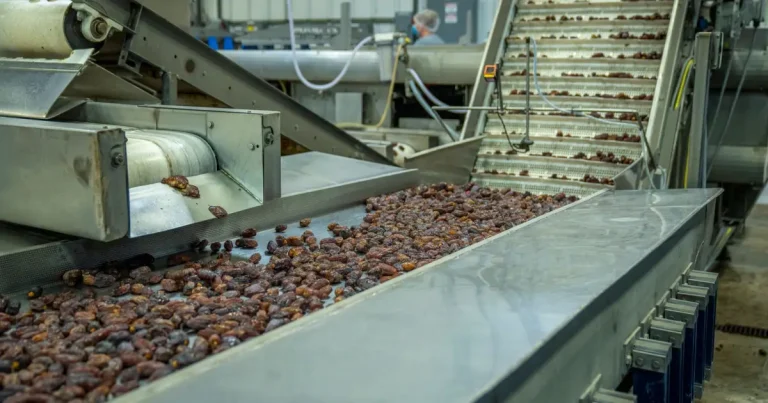
The cheesecakes are not baked in the restaurants. According to the careers site, the company runs bakery production facilities in Calabasas Hills, California, and in North Carolina, and says a third bakery is slated to open in Charlestown, Indiana, in 2027. The bakery page says its bakeries make about 38,000 cakes a day, supplying the restaurants as well as outside clients.
These are food production jobs, closer to plant work than restaurant work: production, sanitation, receiving and supervision. The FAQ notes that bakery and corporate roles use a fully online application process. If production work interests you, our guide to finding jobs in food production plants explains what that environment is like.
Benefits the company publishes
As of 2026, the careers site lists these benefits for restaurant kitchen and front-of-house staff:
- Healthcare starting as low as $12 per paycheck for employees working at least 25 hours a week.
- Paid time off.
- Free or discounted shift meals, plus 25% off when dining with friends and family.
- The opportunity to earn a GED or an associate degree at no cost.
The bakery page lists medical, dental and vision options, paid vacation and sick time, a 401(k) with a company match, and an employee assistance program. Hourly pay is not published per role, so ask at the interview. The company also notes it has been on Fortune’s 100 Best Companies to Work For list every year since 2014.
Receitas is an independent guide and has no affiliation with The Cheesecake Factory. Genuine employers do not ask for money to apply, train or receive a uniform, and anyone who does is not acting for the company.
How hiring works
- Go to cakecareers.com and choose your team (front of house, kitchen or bakery) or search by location.
- Complete the online application. The FAQ is clear that the company only considers applicants who finish it, even if you also visit in person.
- You can apply for more than one role and more than one location. The FAQ recommends applying for every position you are qualified for, since you are rarely considered for roles you did not select.
- You should get an email confirmation within 24 hours. If a manager sees a fit, they will contact you.
- If you have not heard back within about a week, the FAQ says there is likely no immediate opening, but your application stays on file for three months.
Visiting the restaurant to meet a manager is welcome, according to the FAQ. Go during a slow afternoon, not at lunch or dinner.
Before you decide
Ask yourself whether a big, structured, high-volume kitchen suits you. If you want a defined training ladder, consistent standards and the chance to learn many stations, this kitchen offers that. If you want a small menu where you can experiment, you may be happier in an independent restaurant. Read the postings for the restaurant nearest you, check the shift times against your life, and apply for both prep and line roles if you are on the fence.