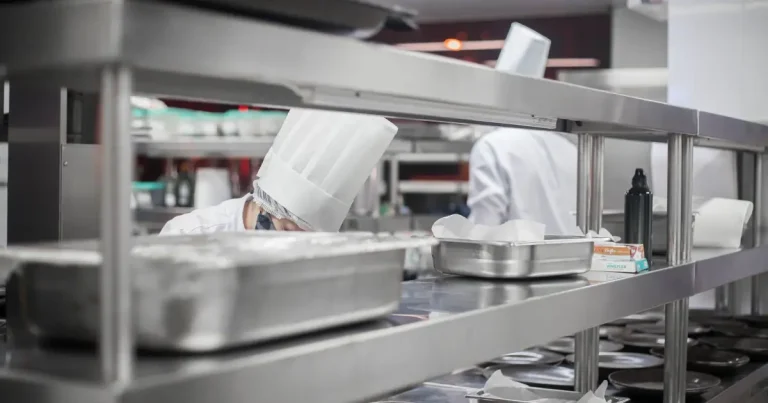

Picture your first hour. You walk through a locker room, pull on a hairnet, a beard net if you need one, a white frock, rubber boots and gloves, wash your hands at a long steel trough, and step through a boot wash onto a production floor that is cool, loud and wet. Product is moving on a conveyor in front of you. Your job for the next eight hours is one specific task on that line, done the same way, safely, hundreds of times.
That is a fair picture of entry-level production work at a meat or poultry plant, and Tyson Foods runs a large network of them across the country: chicken, beef, pork and prepared-foods facilities. This guide covers what the plant jobs are, what the conditions are really like and how Tyson says it hires.
Checklist before you apply
- You can stand for a full shift in a cold, damp room and do repetitive hand and arm work.
- You are comfortable around raw meat and, in some plants, live animals.
- You can work the shift on the posting, including nights for sanitation.
- You have reliable transportation to a plant that may be outside town.
- You have your identity and work-authorization documents for the I-9.
- You will apply only through Tyson’s official job site, never through someone asking for a fee.
What the plant roles are
Tyson’s careers page groups this work under Production & Warehousing and describes it as improving maintenance, increasing efficiency and making sure quality products safely reach tables. In practice, plant job titles fall into a few families.
General production
This is the largest group. Depending on the plant, a production worker might hang, trim, debone, portion, inspect, weigh, pack or box product, or feed and watch a machine. In a beef or pork plant, some positions involve knife work on the line; in a prepared-foods plant, you might work around ovens, fryers, slicers or packaging machines. You are usually trained on one station and then cross-trained over time.
Sanitation
Sanitation crews clean and sanitize the entire production floor after the production shifts end, usually overnight. The work involves high-pressure hot water, foam chemicals, partial disassembly of equipment and lockout procedures so machines cannot start while you clean them. It is demanding and wet, but it is also critical to food safety, and USDA inspectors check the results before production restarts.
Maintenance
Maintenance technicians keep conveyors, refrigeration, packaging lines and other equipment running. These roles often ask for mechanical or electrical experience, and some plants promote production workers into maintenance through training.
Shipping, warehouse and quality
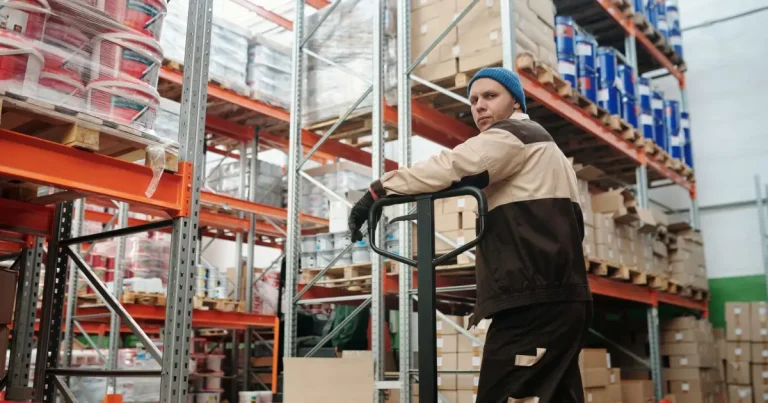
Plants also need forklift operators and loaders in cold storage, and quality assurance technicians who check temperatures, weights, labeling and food-safety records along the line.
Conditions, shifts and safety gear
Meat and poultry plants are kept cold to protect the product, and floors are washed often, so expect cool air, wet surfaces and noise. Plants usually run multiple production shifts plus a sanitation shift, and some operate on weekends. The shift you are hired onto is written on the posting; read it closely, since start times can be very early or overnight.
The Occupational Safety and Health Administration’s meatpacking safety page lists the industry’s main hazards: musculoskeletal disorders from repetitive work, dangerous equipment, slippery floors, high noise levels, hazardous chemicals, ammonia used as a refrigerant and biological hazards. OSHA also states that employers must provide required personal protective equipment. In plant work, that commonly means hearing protection, gloves, cut-resistant gloves or sleeves for knife jobs, safety boots, frocks, hairnets and eye protection where needed.
Two habits protect you more than anything else: report early aches in your hands, wrists and shoulders to the plant nurse or health services rather than waiting, and never reach into moving equipment. Our general guide to kitchen and food-work safety covers what to do after an injury on the job.
Pay and benefits Tyson publishes
Tyson does not list a single national wage on its careers pages. Pay is set by plant, role and shift, and some locations are covered by union contracts. Each production posting typically shows the starting rate and any shift differential, so compare postings for plants near you.
On benefits, Tyson’s careers page lists medical, dental and vision insurance, telehealth, well-being programs, FSA and HSA options, a 401(k) and stock purchase plan, company-paid life insurance, short- and long-term disability, an education assistance program and a discount program. Eligibility and waiting periods are explained in each offer. Tyson has also reported running Upward Academy, an on-site adult education program offering free English, high school equivalency and citizenship classes at many plants; ask locally whether it runs at your facility.
How Tyson hires production workers
- Start at tysonfoods.com/careers and choose production jobs. That link leads to Tyson’s Workday job search for plant roles, where you can filter by city and state.
- Pick a specific plant and shift, and apply online.
- HR reviews applications. Tyson says that if you are selected, you will be contacted by phone or email, and you can track your status in your candidate home.
- Interviews vary by job and may include a recruiter phone screen, a video interview, an on-site interview or a facility tour. Take the tour seriously; it is the best way to see whether you can work in that environment.
- If you receive an offer, follow the pre-employment steps the plant gives you, such as completing the I-9 and any screening listed in the offer. Then expect orientation and safety training before you go on the line.
Tyson says that applicants who cannot apply online because of a disability can call 479-290-5000 or submit an accessibility request. It also warns that its recruiters use only official company channels and never ask for payment.
Receitas is an independent guide and is not affiliated with Tyson Foods. Real employers never charge you to apply, to get trained or to buy safety gear.
Frequently asked questions
Do I need experience to work on a production line?
Most general production roles are entry level and trained on the job. Maintenance and some quality roles ask for experience or technical skills, and the posting will say so.
Is sanitation a good way in?
It can be. Sanitation teaches you the whole plant and food-safety standards, and the overnight schedule suits some people. It is also physically hard and wet, so be honest with yourself before applying.
How is this different from a general manufacturing job?
The product is raw food, so hygiene rules, temperature control and USDA inspection shape every task. Hand washing, clothing changes and strict zones are part of the daily routine in a way they are not in most factories.
Where can I compare other food plants?
Our guide to finding jobs in food production plants covers how to search beyond a single company.
What to do this week
Pick the two or three Tyson plants within a realistic commute, open their production postings, and write down the shift, starting pay and job title for each. Choose the one whose shift you could keep for a year, apply on the official site, and if you are invited to a facility tour, go, look at the line closely and ask how training works on your first station.